DMARC
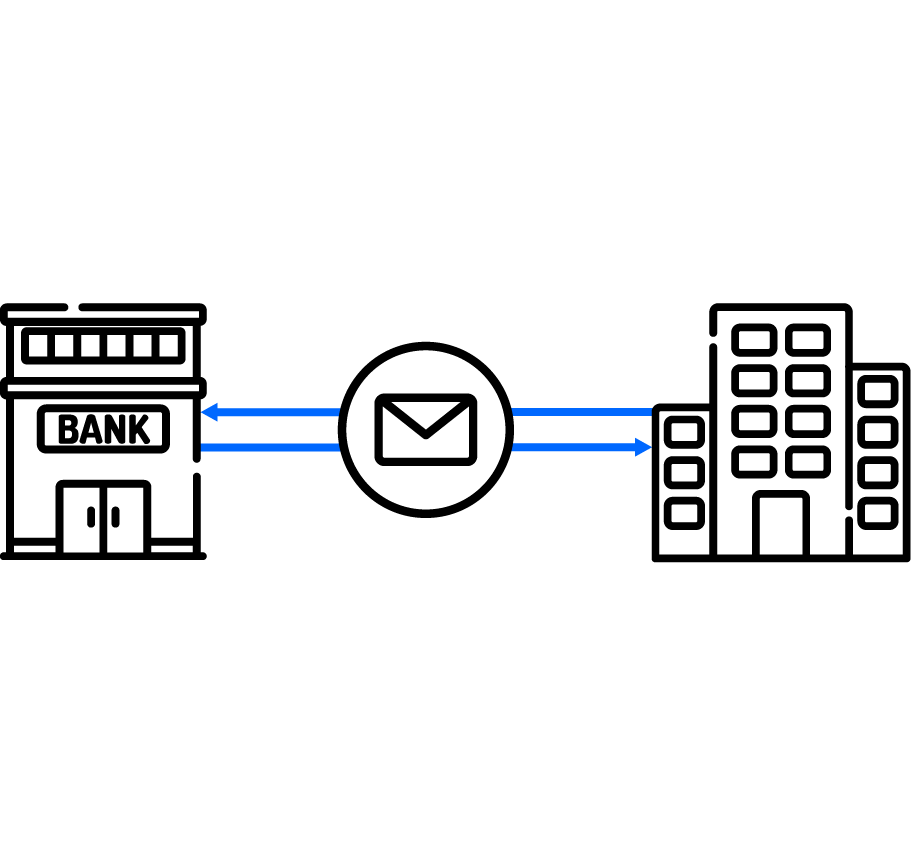
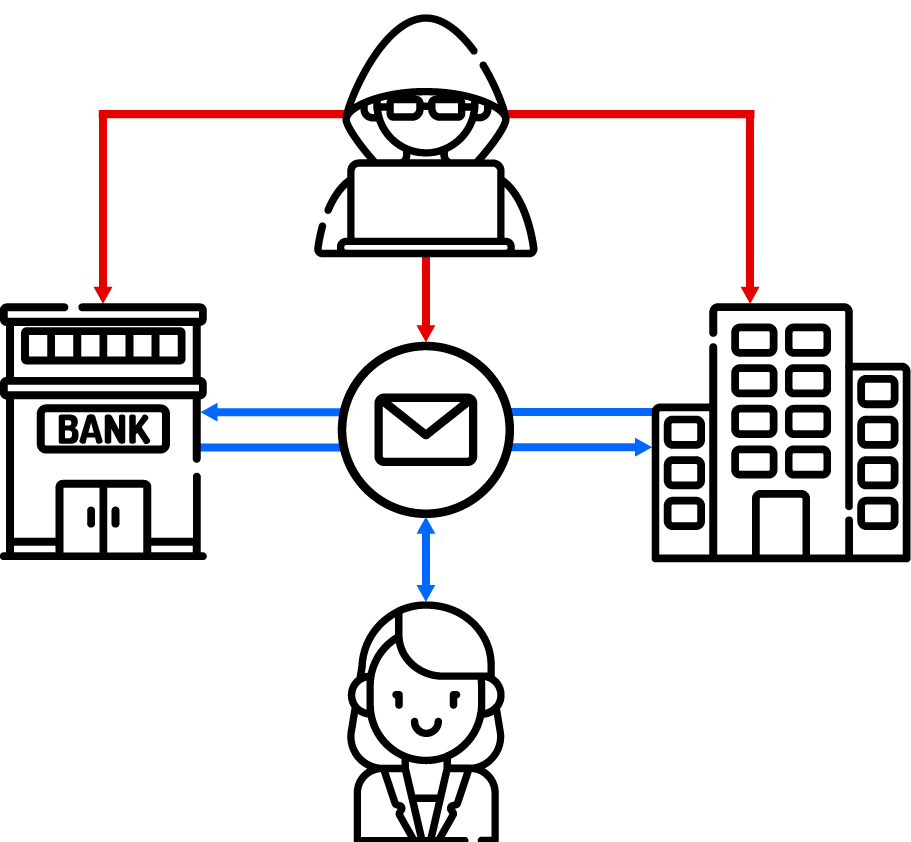
Email authentication is crucial to verify the legitimacy of a message’s origin or sender domain. By implementing authentication mechanisms, your company can exercise effective control over emails sent from your domain, thus preventing identity theft. Domain-based Message Authentication, Reporting, and Conformance (DMARC) represents a cutting-edge standard in email protection. This protocol is essential for detecting and preventing spoofing attacks, which are common in phishing, business email compromise (BEC), and other email-based threats. Through a DMARC record in your DNS system, your company can instruct the rest of the world on how to handle unauthorized use of your email domains. By establishing a clear policy (p=reject), DMARC helps ensure that only authenticated and legitimate emails are accepted, thus protecting your corporate reputation and the integrity of your communications.
BIMI
Stands for Brand Indicators for Message Identification. It’s an email authentication standard that enhances email security and brand recognition by displaying a brand’s logo directly in the recipient’s email inbox next to authenticated messages. BIMI leverages established email authentication protocols like DMARC (Domain-based Message Authentication, Reporting, and Conformance) and requires the sender to authenticate their emails using DMARC alongside providing a verified logo.
MTA-STS
Stands for Mail Transfer Agent Strict Transport Security. It is an email security standard designed to enhance the security of email communication by ensuring encrypted and authenticated connections between email servers. MTA-STS works alongside other email security protocols such as SMTP (Simple Mail Transfer Protocol), SPF (Sender Policy Framework), DKIM (DomainKeys Identified Mail), and DMARC (Domain-based Message Authentication, Reporting, and Conformance).
TLS-RPT
TLS-RPT, or TLS Reporting and Policy, is a standard developed to improve email security by providing feedback on Transport Layer Security (TLS) encryption failures in email delivery. TLS is a cryptographic protocol used to secure communication over computer networks, including email communication.
SPF
SPF (Sender Policy Framework) is an essential technology for email authentication. It allows domain owners to specify which mail servers are authorized to send messages on behalf of their domain. Through a TXT record in your DNS system, you clearly establish which IP addresses are allowed to use your domain for sending mail. With SPF, your company can significantly strengthen its security against impersonation attacks, a common tactic in phishing and spam. This protocol acts as a shield, ensuring that only authenticated and legitimate emails represent your brand, thus protecting your reputation and the trust of your customers.
DKIM
DKIM (DomainKeys Identified Mail) is an advanced protocol that provides encrypted email authentication. This method allows domain owners to take direct responsibility for their emails, ensuring that the recipient can verify their authenticity. Using a TXT record in the DNS system, the public key is published, which is used to validate that the message, signed with the private key at its origin, is genuine and has not been altered in transit. This protocol is a powerful tool in the fight against impersonation attacks, commonly used in phishing and spam. By implementing DKIM, your company can ensure the integrity and authenticity of every email sent, strengthening your customers’ trust and protecting business communication from cyber threats.